
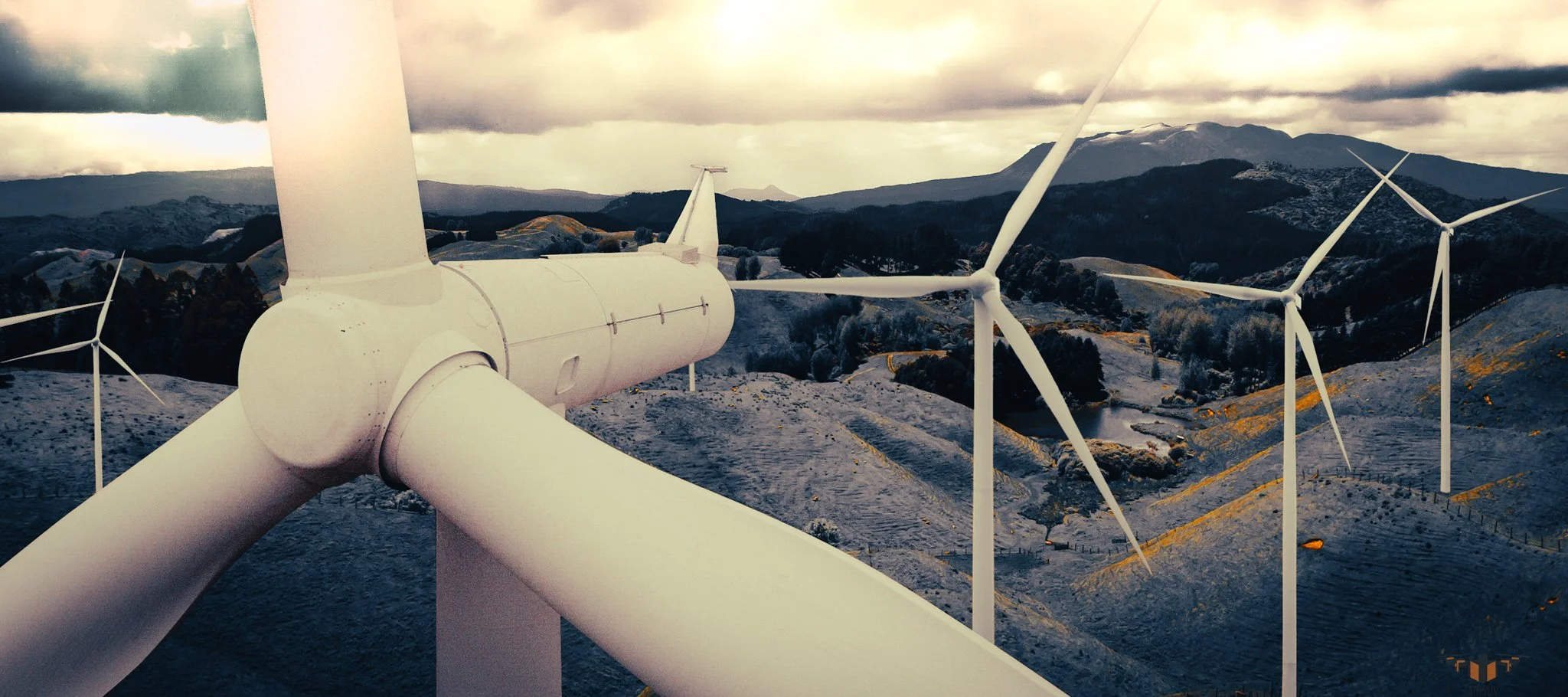
Renewable Energy
Inspections
Inspection and imaging solutions for renewable energy and PV arrays installations.
Airsuv provides solar farm drone inspection and renewable asset imaging for energy operators, contractors and asset managers who need clear, precise visual data for performance analysis and maintenance planning.
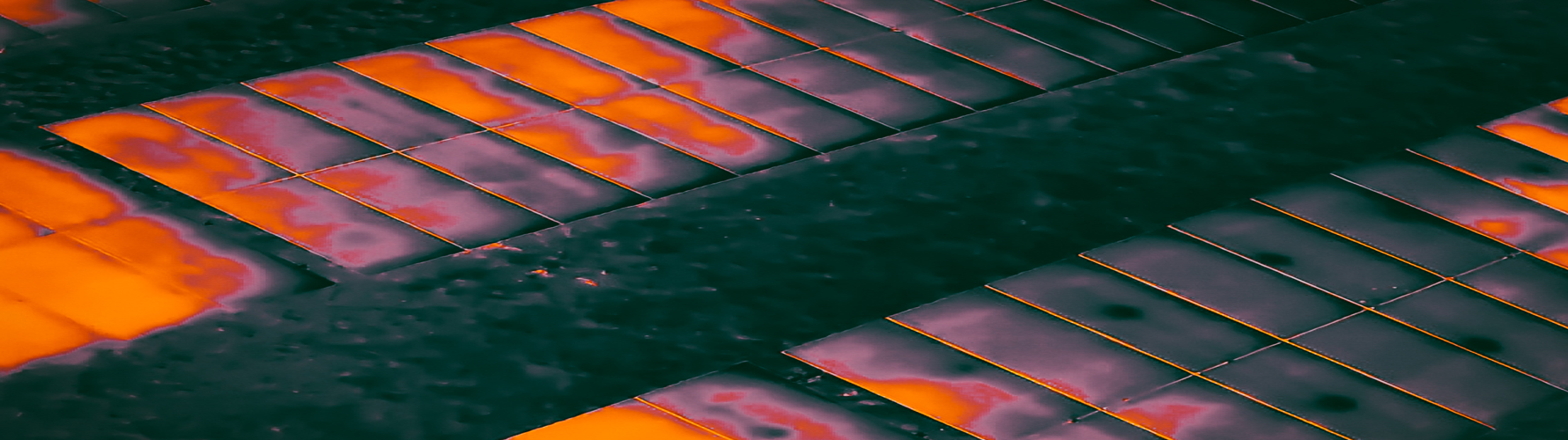
We capture both RGB and (where required) solar panel thermal drone inspection imagery to help identify faults, hotspots, shading issues and degradation — delivering the evidence you need to keep assets operating efficiently.
Who Our Renewables Imaging Is For
This service is designed for organisations responsible for the performance and reliability of solar assets, including:
Utility-scale solar farm operators
Renewable energy developers
EPC contractors and O&M providers
Commercial rooftop PV owners
Asset managers and engineering consultancies
If you manage solar PV arrays, rooftop systems or renewable assets, Airsuv provides the visual evidence needed to validate performance, detect issues and support planned maintenance.
Problems Drone Inspections Can Help You Solve
Solar assets degrade over time, and faults can be difficult or unsafe to inspect on foot. Airsuv’s solar farm drone inspection services help identify:
Hotspots and cell/module faults
Thermal signatures revealing failing cells, strings or modules.String, inverter or wiring issues
Abnormal heat patterns that indicate electrical imbalance or malfunction.Shading and environmental impact
Trees, vegetation, new nearby structures or panel contamination affecting output.Panel damage or degradation
Cracks, delamination, debris, impact damage, frame issues.Construction and alignment issues
Misaligned, poorly installed or displaced rows.Large-scale performance irregularities
When one section underperforms compared to baseline expectations.
Airsuv gives you clear, structured visuals so you know what’s wrong, where, and how severely it affects performance.
What You Receive from an Airsuv Renewables Inspection
Every solar PV drone inspection is designed to support engineering decisions and maintenance planning.
You can expect:
High-resolution RGB imagery
Clear visual records of panel condition, installations, alignment and site environment.Thermal imaging (optional)
Identifies hotspots, failed modules, wiring faults and performance irregularities.Array-level and string-level visualisation
Overview and detailed shots to help your team pinpoint issues efficiently.Structured data delivery
Images organised by row, section or array — ready for reporting and contractor briefings.Optional anomaly highlights
Marked areas showing faults or risks, aiding communication with O&M or engineering teams.
Initial Scope & Objectives
Define the solar farm, rooftop array or renewable asset, and specify concerns (hotspots, shading, reduced yield).Site & Airspace Review
We assess airspace classification, restrictions, access routes, and environmental conditions.Flight Planning & Compliance
CAA-compliant planning, risk assessment and method statement tailored to solar farm drone inspection operations.On-Site Operations
We capture RGB, and thermal imaging where required, ensuring complete and consistent coverage of arrays.Verification & Delivery
All imagery is reviewed, organised and delivered in a structure matching your array layout.Follow-Up & Performance Monitoring
Repeat inspections can be scheduled annually or seasonally for comparison and yield analysis.
How Our Renewables Imaging Process Works
Safety, Compliance & Efficiency
Every drone solar inspection is carried out under strict compliance:
GVC-licensed remote pilot
CAA-compliant planning and controlled airspace checks
Site-specific risk assessment
Commercial drone insurance
Respect for site rules, live equipment zones and environmental factors
Airsuv delivers clarity while minimising disruption to ongoing operations.
Coverage & Typical Renewable Projects
Airsuv operates across:
Harrogate, York, Leeds and the North of England
Surrounding regions
UK-wide for suitable solar and renewables projects
Typical work includes:
Utility-scale solar farm surveys
Commercial rooftop PV inspections
Thermal hotspot detection
Performance irregularity diagnosis
Environmental/shading impact assessments
Pre- and post-installation imaging
Clients typically contact Airsuv when:
Output drops with no clear explanation
Hotspots or faults are suspected
Arrays need an independent visual check after storms or events
Baseline imaging is required before O&M contracts
A consistent, repeatable inspection method is needed for an entire portfolio
If you’re unsure whether a drone inspection is appropriate, we can assess feasibility quickly and provide options.
When to Consider a Renewables Inspection
Request a Renewables Inspection
If you need structured imaging, RGB or thermal, to assess the performance or condition of solar assets, Airsuv provides clear, reliable data for confident decision-making
Airsuv - The Intelligent Solutions Company
Aerial Surveys. Precision Imaging. Actionable Data.
✔ RENEWABLES FAQs
-
A drone solar inspection can detect hotspots, cell failures, cracked panels, diode issues, debris, shading problems, soiling patterns, wiring faults, and underperforming strings.
Thermal imaging highlights temperature anomalies that indicate electrical or mechanical defects. -
Thermal imaging is recommended when:
You suspect output loss
You’re diagnosing performance issues
You need evidence for O&M reporting
You want to validate installation quality
For general condition surveys, high-resolution RGB imaging may be enough.
-
Drone imaging provides detailed visual and thermal data suitable for identifying electrical faults and physical defects.
While it does not replace IV curve tracing or full electrical diagnostics, it gives a fast, non-intrusive overview of system health. -
Yes. Drones are ideal for inspecting commercial and industrial rooftop PV systems, especially on large warehouses, hotels, offices and retail units where manual access is difficult or unsafe.
-
Yes. Drone inspections are non-contact, meaning no risk to wiring, panels, fittings or rooftop membranes.
They reduce manual access and avoid unnecessary disturbance of the array.
-
Most rooftop arrays can be inspected in 20–40 minutes, while larger ground-mount sites may require longer depending on layout and size.
Drone surveys are significantly faster than manual thermography. -
We’ll request:
System size or panel count
Array layout (if available)
Access details for site entry
Known issues or suspected faults
Preferred timeframe
This helps plan the inspection efficiently and safely.
-
Yes. We can capture:
Entire solar fields
Arrays in phases
Individual strings
Selected defective zones
Perimeter security areas
Imagery can be structured to match your reporting requirements.
-
Most solar inspection results are delivered within 48 hours, depending on the size of the array and whether thermal imaging is included.
Results are clearly organised for engineers or O&M teams. -
Yes. Airsuv supports O&M contractors, asset managers, renewable consultants and commercial solar operators across the UK.
We supply clear, standardised imagery ready for technical review.
-
Drone thermography can identify thermal anomalies associated with underperformance, such as hotspots, landscape “zebra” patterns, bypass diode issues, or uneven string behaviour.
Electrical diagnostics may be required for confirmation. -
Yes. Thermal inspections are typically performed on operating systems, ideally under stable sunlight conditions to ensure accurate thermal contrast.
-
No — solar inspections are almost always carried out with the system running.
Airsuv follows your site rules and ensures safe, non-contact operations throughout. -
Yes. High-resolution and thermal imagery provide clear, timestamped evidence of faults or physical defects.
Insurers and warranty providers often accept drone images as part of the claim process.